Clearing a family home gently, one room at a time
Emptying a house full of someone's life is slow work, and it goes better planned like a household project rather than a race. Here is a way to pace it, share it and finish it without losing your footing.
By the editors · 5 min read
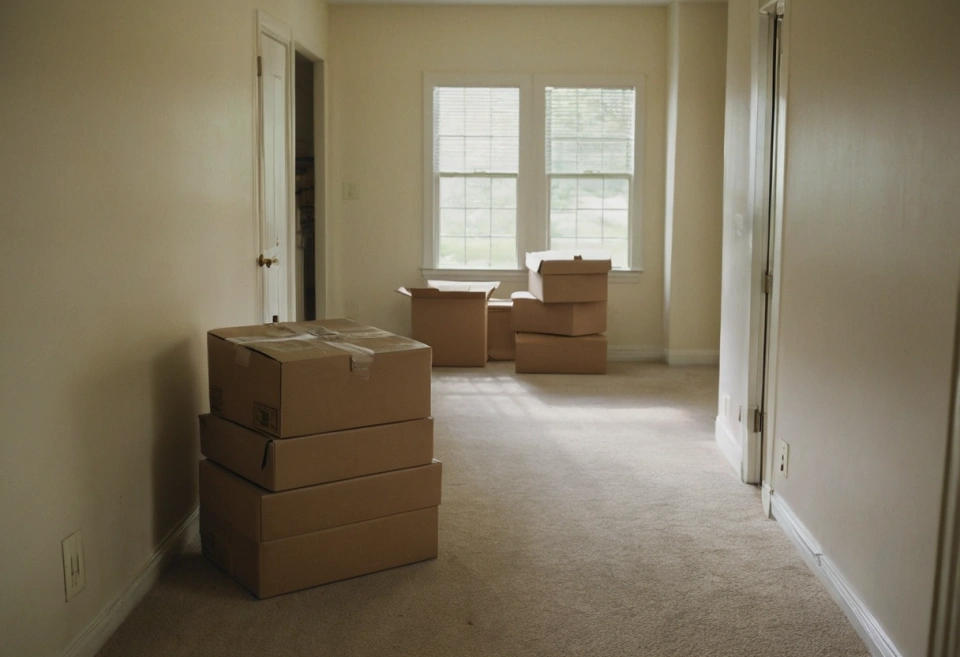
A family home holds decades of ordinary accumulation: kitchen drawers, linen closets, the garage shelf nobody has touched since the children grew. Clearing it is not one job but several hundred small ones, and the households that come through it calmly tend to treat it as a project with a schedule, a sorting system and a plan for sharing decisions. What follows is a way to pace the work, divide it fairly among siblings, handle photographs and letters with care, and stay steady while it happens.
Set the pace before you touch a drawer
A house filled slowly, over years, and it can be emptied slowly too. Unless a deadline forces the issue, such as a lease ending or a sale closing, give yourself a longer runway than seems necessary. A few weeks of short sessions beats a single exhausting weekend, both for the quality of decisions and for the people making them.
Work in sessions of a couple of hours, with a stopping time agreed before you start. Fatigue makes everything look either precious or worthless, and neither judgment can be trusted at the end of a long day. Choose one room, or even one closet, per session. Finish it, close the door, and let the rest of the house wait.
Start with the easy rooms. Bathrooms, cleaning supplies and pantry goods involve almost no sentiment and build momentum. Save the bedroom, the desk and the attic for later, when the rhythm of the work is established and the hardest choices arrive with some practice behind them.
Four stations and a place for maybe
Set up four clearly labeled destinations in each room: keep, give, sell and recycle. Boxes work, taped paper signs work, whatever makes the categories physical and obvious. Every object goes to one of them, and nothing returns to the drawer it came from.
Keep means someone in the family genuinely wants it and has room for it. Give means useful things that could serve another household: clothing, cookware, books, tools. Sell is reserved for items with real resale value and a realistic path to a buyer, a much smaller pile than most families expect. Recycle covers paper, metal and textiles that local programs accept, along with a run to the dump for what is simply worn out; check what your area takes, since rules vary.
Add a fifth box: maybe. When an object stalls the whole session, put it in the maybe box, label it with the date in words and the room, and move on. Revisit that box after a few weeks. Distance settles more decisions than debate does, and things untouched and unmissed for a month are usually ready to go.
Be honest about the sell pile. Selling takes photographing, listing, answering messages and arranging handoffs, and it needs a named person willing to do that work. If nobody volunteers, the pile becomes a give pile. For larger pieces such as tables, dressers and cabinets, our guide to furniture from a parent's house walks through deciding what to keep and living with inherited pieces afterward.
Siblings and the fairness of process
Belongings divide more peacefully when the method is agreed before anyone claims anything. Decide the method before you decide about any single object, because a fair process survives disagreement while a fair outcome rarely satisfies everyone.
A workable approach: list the items more than one person wants, then take turns choosing, rotating the order each round so the same sibling is not always last. Items nobody contests can be claimed freely. Write every agreement down as it happens, in a shared notebook or a simple document, including who is taking the piano and who is responsible for hauling away what nobody wants. Memory is a poor record when feelings are involved, and our companion piece on dividing family belongings kindly goes further into lists, turn-taking and the difference between sentimental and monetary value.
Two ground rules help. First, separate the labor from the loot: whoever does more of the clearing has earned gratitude, not extra claims, and keeping those ledgers apart prevents quiet resentment. Second, allow a person to pass. Someone who cannot face the house right now may want only a few small things later, and holding those aside costs little.
Where ownership is genuinely unclear, or where documents suggest an item was promised or held in trust, pause rather than improvise. This page offers household guidance only; for questions about what belongs to an estate and who may distribute it, check the specifics with a qualified professional before anything leaves the house.
Photographs and letters get their own session
Paper memories derail ordinary sorting because they cannot be skimmed. A shoebox of photographs can absorb an entire afternoon, and that is fine, provided it is a planned afternoon rather than an ambush in the middle of clearing the hall closet.
Set the boxes of photographs, letters and albums aside intact, and schedule separate time for them, ideally with the siblings who care most. Sort loosely first: by person, by era, by envelope. Duplicates and blurred shots can go, but do not rush to thin the pile; a second pass weeks later is kinder and sharper.
For what remains, consider offering duplicates to other family members rather than splitting a coherent collection into fragments. Letters and documents that record family history deserve a stable home, a box or binder that travels with whoever wants the role of family archivist. Anything with legal or financial weight, deeds, certificates, old account papers, should be set aside for review with a qualified professional rather than shredded or sold with the furniture. Practical records that are still current, manuals and warranties for appliances staying in the family, can move into a family binder for the house so they stay findable.
Looking after the person holding the boxes
Grief does not follow the sorting schedule. A plain coffee mug can undo an hour of steady work, and the sensible response is to put the mug down, drink some water and step outside for a few minutes. The house will keep.
A few habits protect the people doing the clearing:
- Eat before sessions and keep water and snacks in the kitchen; dust and skipped meals make everything harder.
- Wear shoes with real soles and open windows; old houses hold dust, and basements hold surprises.
- Tell one person outside the family how the work is going, so the weight has somewhere to go besides the siblings.
- End each session by noting what got done, not what remains; progress in a house like this is invisible unless written down.
If the clearing keeps sliding because opening the front door feels impossible, that is information, not failure. Some households do better with a friend present, or by spreading the work across a season instead of a month. There is no prize for finishing fast.
Where to begin this week
The next step is small and concrete: walk through the house once, without sorting anything, and write down the rooms in order from easiest to hardest. Then pick a date for the first session in the easiest room, invite whoever is sharing the work, and agree on the four stations and the maybe box before anyone arrives. If siblings are involved, send the list of contested items and propose the turn-taking method in the same message, so the process is settled before the first drawer opens. A cleared house is built one honest session at a time, and the first one can be next weekend.