A Living Room Built to Survive Family Life
The family room takes more abuse than any other room in the house. A few durable choices let it absorb spills, projects and homework without anyone nagging.
By the editors · 6 min read
The living room is where the household actually happens: snacks on the sofa, science projects on the rug, a teenager sprawled across the good chair with a laptop. Most rooms designed for adults photograph beautifully and fail within a week of real family use. Here are the choices that let a living room absorb daily life instead of fighting it: fabrics you can wash, edges that forgive a running toddler, storage small hands can reach, a spot for homework, and how to choose professional help when the puzzle outgrows you.
Fabrics that forgive
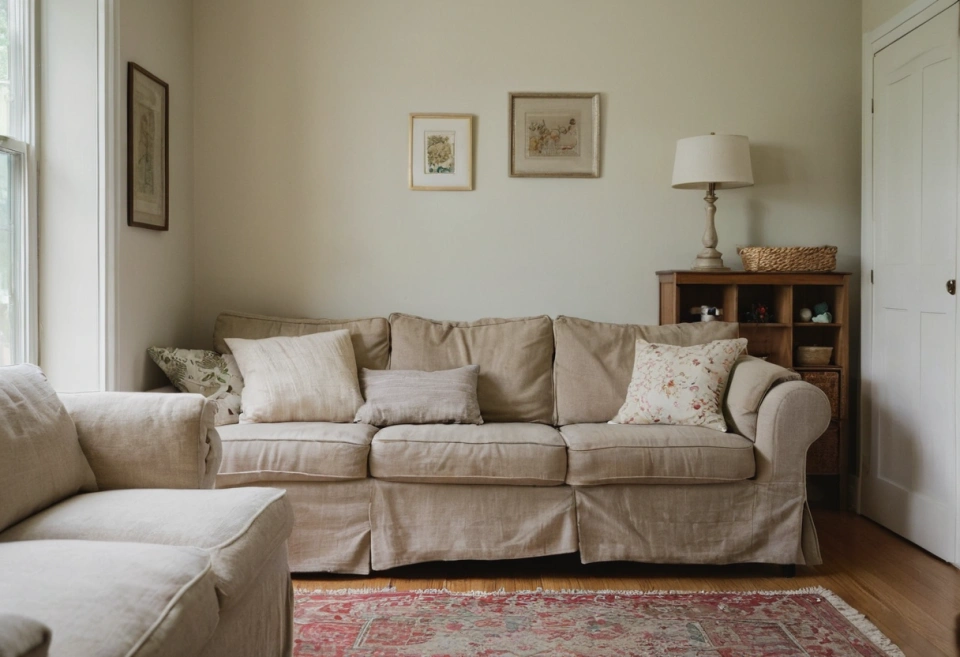
Upholstery is the largest soft surface in the room and the first thing family life attacks. The most useful feature is a removable cover that goes in the washing machine. Slipcovered sofas have made a comeback for exactly this reason: when yogurt lands on the arm, the arm comes off and into the laundry rather than into a panic. Look for covers with zippers you can actually work and fabric that survives repeated washing without shrinking away from its frame. Buy or sew a spare set if you can; a sofa should never sit idle waiting for a spin cycle.
Where covers are fixed, choose tight weaves over loose ones. Smooth, densely woven fabrics release crumbs and pet hair with a brush, while nubby textures trap everything. Performance fabrics treated to resist stains have improved enormously and are worth the premium on the pieces that get sat on daily. Darker or heathered colors hide the small marks no amount of vigilance prevents; save the pale cream chair for the bedroom, or accept it as a piece you will re-cover eventually.
Rugs follow the same logic. Low-pile wool or a machine-washable flat weave beats deep shag in every practical way. A rug you can drag outside and shake, or fold into a washer, will look better after a year of blocks and crackers than one that requires professional cleaning. Keep a stain kit within arm's reach of the sofa, not buried under the kitchen sink; speed matters more than product choice.
Edges, anchors and the physics of toddlers
New walkers travel at exactly the height of a coffee table corner. Before that stage arrives, walk the room crouched down and notice what sits at forehead level. Rounded coffee tables, upholstered ottomans in place of hard tables, and nesting tables that tuck away all remove the problem rather than padding it. Soft corner guards work on furniture you love and cannot replace, though they are a compromise, not a cure.
Stability matters as much as softness. Bookcases and televisions should be anchored to the wall, full stop; children climb, and a low shelf loaded with baskets becomes a ladder the moment it is interesting. Check the anchoring hardware that came with each piece and confirm it suits your wall type; if anything about the installation is uncertain, ask a qualified installer rather than guessing. Heavy items live on bottom shelves. Lamps with weighted bases and cords tucked behind furniture remove two more hazards without changing the look of the room at all.
Storage at child height
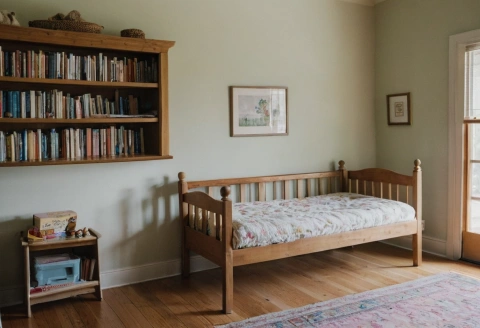
Storage a child can reach is storage a child will actually use. A low unit with open baskets turns cleanup into something a preschooler can do without lifting, sorting instructions or a step stool. Label baskets with pictures for pre-readers and words for everyone else: blocks, vehicles, dress-up, art supplies. The categories can be loose; the point is that every object has an obvious home a small person can find.
A few principles keep the system working:
- Open bins beat lidded boxes for daily toys, because lids are friction and friction defeats children.
- Keep the number of baskets small enough that putting things away takes under a minute.
- Rotate a portion of toys into a closet and swap them monthly; fewer visible toys means deeper play and faster cleanup.
- Reserve one high shelf, genuinely out of reach, for the things that are not for children: small pieces, sharp tools, the good scissors.
Adult storage lives above the child zone. Cabinets with doors hold the paperwork, chargers and clutter that make a room feel chaotic, and a bench with a lift-up seat swallows blankets and board games. As children grow, the same low unit graduates from blocks to school supplies, which is the quiet virtue of buying simple furniture. The same thinking applies next door, as we describe in children's rooms that grow up with them.
A corner for homework
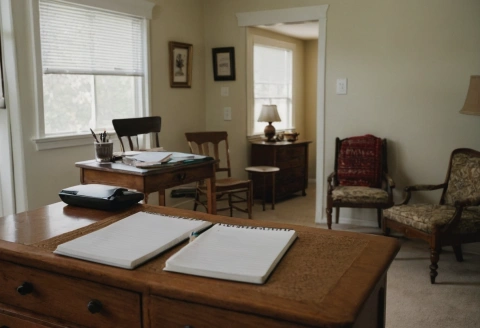
Homework happens in the living room whether the floor plan admits it or not, because younger children want company and older ones want the good light. Rather than resenting it, give it an address. A corner needs three things: a flat surface at the right height, light that does not cast the writer's shadow on the page, and a container for supplies so pencils do not migrate into the sofa cushions.
A small desk, a console table against a wall, or even a lap desk paired with a firm chair will serve. Position it near an outlet and away from the television's sightline. A caddy or shallow drawer holds pencils, erasers, a ruler and headphones; when the caddy is full, homework can start anywhere and end anywhere, and the corner resets in seconds. For households with several children, stagger the surface heights or add a folding table so siblings are not negotiating elbow room every afternoon. The goal is not a miniature office. It is a place where starting homework requires no setup and finishing it leaves no trace.
When to bring in a designer
Some rooms defeat rearrangement: awkward traffic paths, no wall for the sofa, a rental where nothing can be drilled. That is the moment professional help earns its fee. Whole-home design practices, including firms such as Solomia Home interior design company in Dubai that plan entire family houses abroad, work from the same principles described here; durability, sightlines and storage zones translate across borders even when styles and climates differ.
Choosing a designer for a family home is different from choosing one for a showcase. Ask to see rooms they designed for households with children, and ask how those rooms held up. A good candidate will ask about your evenings before asking about your palette: who does homework where, where the dog sleeps, which door everyone actually uses. Be candid about your tolerance for mess and your budget ceiling, and treat any contract, payment schedule or warranty terms as matters to review carefully, with a qualified professional if the sums are significant.
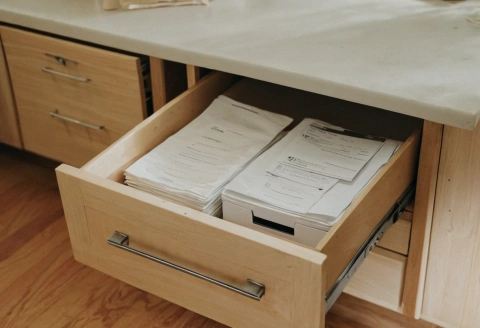
Agree on deliverables in writing: a floor plan, a furniture list, fabric specifications, and whether purchasing and installation are included. If you already own pieces you love, say so early; a designer who insists on replacing everything is selling furniture, not solving your room. And keep the paperwork afterward. Fabric codes, paint names and furniture receipts belong with your household records, and our guide to warranties, receipts and manuals explains what to keep and how to label it so the information exists when a cover needs replacing years from now.
Start with one honest walk-through
The test of a family living room is not how it looks on a quiet morning but how fast it recovers on a busy evening. Measure yours against that standard tonight. Sit on the floor and see the room at child height. Time how long the after-dinner reset takes. Then pick the single worst friction point, the un-washable sofa, the unreachable toy shelf, the homework that colonizes the dining table, and fix that one thing this month. Rooms improve by decisions, not by overhaul, and a living room that survives family life is built the same way family life itself is: one small, sensible adjustment at a time.